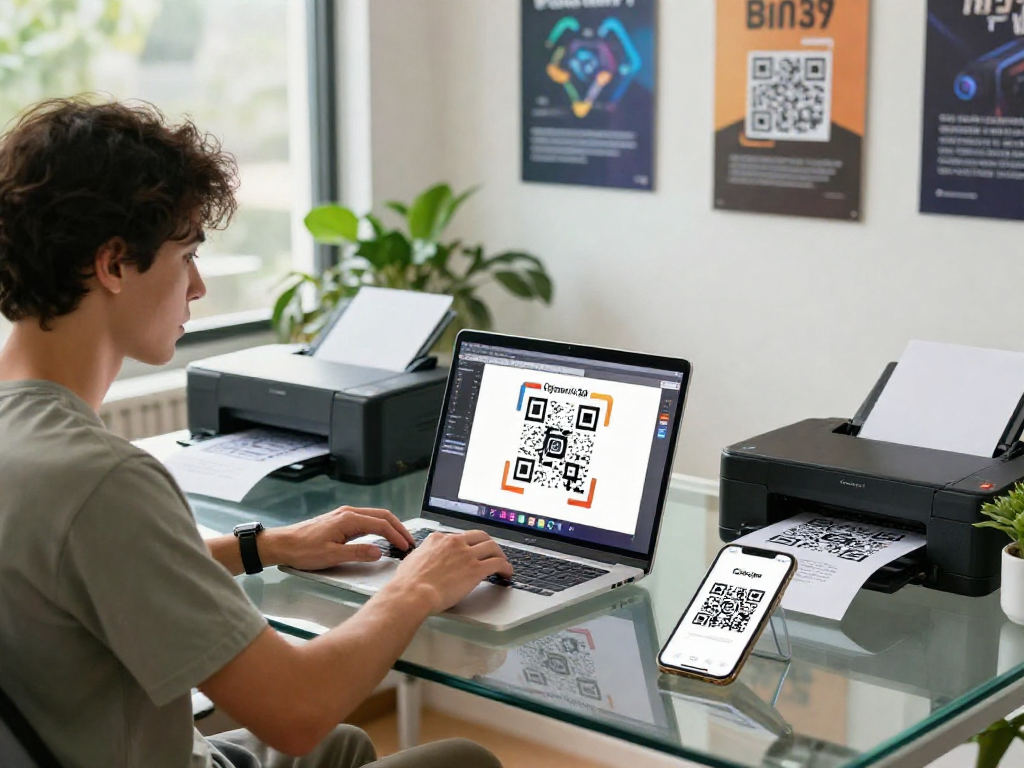
Understanding Dynamic QR Codes
In the rapidly evolving landscape of digital marketing and information sharing, dynamic QR codes have emerged as a versatile tool, enhancing user interaction and engagement. Unlike traditional static QR codes, which link to a fixed URL, dynamic QR codes offer a range of functionalities, including the ability to change the destination URL even after the code has been printed. This adaptability makes them an invaluable asset for businesses and individuals aiming to streamline their marketing efforts and enhance customer experiences.
When exploring options, Dynamic QR Codes provide comprehensive insights into the mechanics and benefits of this technology. They are designed to be user-friendly and accessible, allowing anyone to create, manage, and track their QR codes effortlessly.
What are Dynamic QR Codes?
Dynamic QR codes are advanced barcodes that can redirect users to different URLs without changing the code itself. They encapsulate a short URL, which can be modified on the backend, allowing businesses to adjust their marketing campaigns in real-time. This functionality is especially beneficial for campaigns that require frequent updates or for tracking marketing efforts effectively.
Benefits of Using Dynamic QR Codes
- Flexibility: Change the destination URL anytime, even after printing.
- Analytics: Track scans and gather valuable data on user interactions, such as location, device type, and time of access.
- Cost-effective: One QR code can serve multiple campaigns without the need for reprinting.
- Branding Opportunities: Customize the QR code's appearance to reflect your brand’s identity, enhancing recognition.
Applications Across Industries
Dynamic QR codes find applications in various sectors, including marketing, retail, hospitality, and education. For instance, they can be used to link promotional materials to updated event information, redirect customers to specific product pages, or even link to digital business cards.
Creating Your First Dynamic QR Code
Step-by-Step Guide to QR Code Generation
Creating a dynamic QR code is simple and can be done in a few easy steps:
- Visit a QR code generator platform, such as EZQR.
- Enter the URL you want the QR code to link to.
- Select options for customization, including design and tracking features.
- Generate the QR code and download it in high-resolution format.
Tools and Software Options for QR Code Creation
Several online tools can facilitate the creation of dynamic QR codes. Platforms like EZQR offer user-friendly interfaces, comprehensive features, and customization options. These tools cater to both novices and experienced users, ensuring anyone can create effective QR codes.
Design Tips for Scannable QR Codes
For dynamic QR codes to be effective, they should be designed with scannability in mind. Here are a few design tips:
- Maintain a high color contrast between the QR code and its background.
- Incorporate your brand's logo subtly within the QR code.
- Test the code to ensure it scans correctly across different devices before printing.
Managing and Editing Dynamic QR Codes
How to Update QR Code Destinations
One of the main advantages of dynamic QR codes is their ability to update destinations without the need for reprinting. Users can log into the QR code management dashboard, select the QR code they wish to update, and modify the URL as needed. This means your QR code can always point to the most relevant content.
Tracking Performance Analytics
Effective use of dynamic QR codes involves analyzing their performance. Most QR code generators, including EZQR, provide analytics that show user engagement metrics. You can monitor how many times the code has been scanned, where it was scanned, and what devices were used. These insights can help refine marketing strategies and improve user experience.
Common Mistakes to Avoid
While creating dynamic QR codes, it's essential to avoid common pitfalls:
- Neglecting to test the QR code before distribution.
- Creating overly complicated URLs that can confuse users.
- Forgetting to keep the design simple and scannable.
Real-World Use Cases for Dynamic QR Codes
Marketing Campaigns and Engagement
Dynamic QR codes are widely used in marketing campaigns to boost engagement. Brands can change the landing page based on seasonal promotions or target audience segments. For example, a clothing retailer might use a dynamic QR code in their print ads to lead customers to specific sales or new collections.
Applications in Events and Promotions
Event organizers can utilize dynamic QR codes to provide attendees with real-time updates, schedules, and venue maps. A code can link to a live stream of the event or change to direct users to new content as the event progresses.
Dynamic QR Codes in Retail Environments
In retail, dynamic QR codes enhance customer interaction by linking to product details, customer reviews, or promotional videos. This not only provides customers with comprehensive information but also tracks their engagement with various products, helping retailers understand consumer behavior better.
Future Trends in Dynamic QR Code Technology
Emerging Technologies Enhancing QR Codes
As technology advances, the functionalities and applications of dynamic QR codes are set to expand. Innovations such as augmented reality (AR) can be integrated with QR codes to enrich user experiences, making them a gateway to interactive content.
Predictions for QR Code Usage by 2026
By 2026, it is anticipated that the use of dynamic QR codes will become even more widespread, fueled by a greater emphasis on contactless interactions in various industries. Many businesses are expected to adopt QR code technology for not only marketing but also inventory management, customer service, and more.
How Businesses Can Stay Ahead of the Curve
To remain competitive, businesses should stay informed about emerging technologies that can enhance QR code functionalities. This includes investing in tools that offer advanced analytics, tracking capabilities, and user-friendly interfaces for QR code management.
What is the main difference between static and dynamic QR codes?
The primary difference is that static QR codes contain a fixed URL that cannot be changed after creation, while dynamic QR codes can redirect to different URLs even after being printed, allowing for real-time updates and tracking.
Can dynamic QR codes be used for tracking campaigns?
Yes, one of the key benefits of dynamic QR codes is their tracking capability. They allow businesses to analyze user behavior and engagement, providing valuable insights for refining marketing strategies.
Do dynamic QR codes expire or have limits?
Dynamic QR codes do not inherently expire; however, the service used to create and manage them may impose limits based on the subscription plan selected. It’s essential to review the terms of the QR code generator to understand any restrictions.
How can I create branded dynamic QR codes?
Creating branded dynamic QR codes typically involves using a QR code generator that offers customization options. Users can add their logo, choose colors that align with their brand, and select a design that reflects their identity while maintaining scannability.
What industries benefit most from using dynamic QR codes?
Multiple industries benefit from dynamic QR codes, especially retail, healthcare, hospitality, and education. They facilitate improved customer interaction, provide real-time information, and enhance promotional efforts, making them versatile for various applications.